Source Large Capacity Glass Straw Cup for Juice, Water, Cocktail
Compare 30 listings for the large capacity glass straw cup featuring borosilicate glass, bamboo or plastic lids, and custom logo options. Buyers can evaluate specifications like 12 oz capacity, hand-blown or screen-printed designs, and microwave-safe properties for diverse beverage applications.
Key considerations
Products List


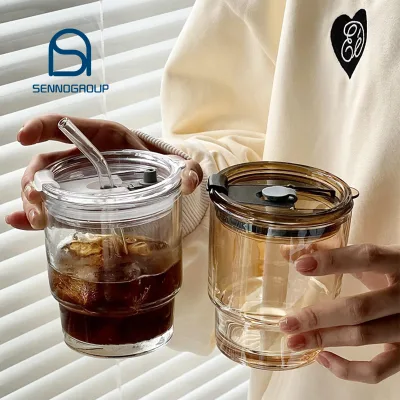


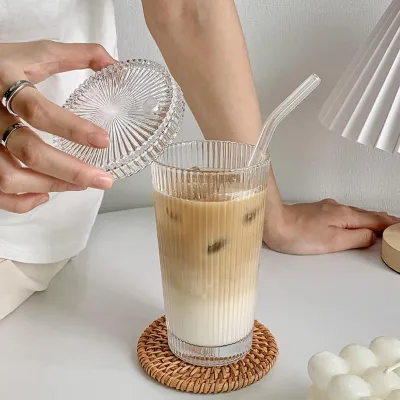


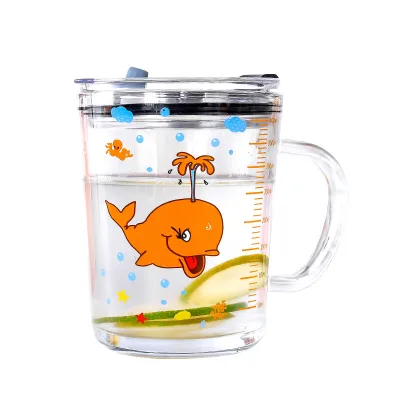


Comprehensive Sourcing Guide
Large Capacity Glass Straw Cup Sourcing Guide
Sourcing large capacity glass straw cups requires a nuanced understanding of material durability, thermal resistance, and functional design. These vessels are increasingly popular for both commercial hospitality and direct-to-consumer retail, serving as versatile containers for juices, cocktails, and cold brews. The primary challenge lies in balancing aesthetic appeal with practical utility, ensuring the glass can withstand daily use while maintaining clarity and structural integrity. Buyers must navigate a market where customization options are abundant, ranging from simple single-wall designs to complex multi-component assemblies with lids and sleeves.
The procurement process involves evaluating suppliers based on their ability to deliver consistent quality across high-volume orders. Key considerations include the type of glass used, such as borosilicate for thermal shock resistance, and the manufacturing techniques employed, whether hand-blown for artisanal appeal or machine-made for uniformity. Additionally, the integration of accessories like bamboo covers, plastic lids, and silicone sleeves adds layers of complexity to the supply chain. Understanding these variables is essential for selecting partners who can meet specific brand requirements without compromising on safety or performance standards.
Product Scope and Observed Listing Signals
The current market landscape for large capacity glass straw cups reveals a diverse array of product configurations and material specifications. Observed listings indicate a strong preference for borosilicate glass, which offers superior heat resistance compared to standard soda-lime glass. Products are frequently described with attributes such as "single wall" construction and "irregular shapes," suggesting a trend toward unique, visually striking designs that stand out on retail shelves. The presence of accessories like lids, straws, and silicone sleeves highlights a consumer demand for complete, ready-to-use solutions that enhance the drinking experience and reduce spillage.
Customization is a dominant feature in this category, with suppliers readily offering logo printing, color variations, and bespoke packaging options. Listings often cite certifications such as CE, EU, LFGB, and CIQ, indicating that manufacturers are equipped to meet international regulatory requirements for food contact materials. The observed price range and minimum order quantities suggest a flexible market capable of accommodating both small boutique orders and large-scale commercial procurement. Buyers should note that while many products are marketed as "non-disposable," the actual durability depends heavily on the thickness of the glass and the quality of the finishing processes.
Technical Specifications to Verify
When evaluating technical specifications, buyers must prioritize the glass type and its associated thermal properties. Borosilicate glass is preferred for its ability to withstand rapid temperature changes, making it suitable for beverages that may involve ice or warm ingredients. It is crucial to verify the wall thickness and overall structural integrity, as these factors directly impact the cup's resistance to breakage during shipping and daily use. Additionally, the manufacturing process, whether handmade, mouth-blown, or machine-decorated, influences the final product's consistency and aesthetic quality. Buyers should request samples to assess the smoothness of the rim and the precision of any applied decorations.
The compatibility of accessories with the glass vessel is another critical technical consideration. Lids, whether made of bamboo or plastic, must fit securely to prevent leaks, while straws should be appropriately sized for the cup's opening. Silicone sleeves, if included, must provide adequate grip without compromising the visual appeal of the glass. Buyers should also inquire about the specific dimensions and capacity of the cups, ensuring they align with brand standards and consumer expectations. Verifying these details through detailed product datasheets and physical samples helps mitigate the risk of receiving products that do not meet functional requirements.
Compliance and Safety Documentation
Ensuring compliance with international safety standards is paramount when sourcing glass drinkware. Certifications such as LFGB and EU regulations are essential for products intended for the European market, as they guarantee that the materials used are safe for food contact. Buyers should request valid certification documents from suppliers and verify their authenticity through independent testing laboratories if necessary. These certifications typically cover aspects such as heavy metal leaching, chemical migration, and overall material safety, providing assurance that the products will not pose health risks to consumers.
In addition to material safety, buyers must consider the regulatory requirements for packaging and labeling. Proper labeling ensures that consumers are informed about the product's care instructions, such as microwave and dishwasher safety, which are often highlighted in product descriptions. Compliance with environmental regulations is also increasingly important, with many brands seeking sustainable packaging solutions and recyclable materials. Buyers should work with suppliers who demonstrate a commitment to ethical manufacturing practices and transparent supply chains, as this enhances brand reputation and reduces regulatory risks.
Cost Drivers and Commercial Terms
Several factors influence the cost structure of large capacity glass straw cups, including material quality, manufacturing complexity, and order volume. Borosilicate glass is generally more expensive than standard glass due to its superior thermal properties, while hand-blown or intricately decorated items command higher prices due to labor-intensive processes. Customization options, such as logo printing and bespoke packaging, also add to the overall cost. Buyers should negotiate clear pricing structures that account for these variables, ensuring that they receive accurate quotes that reflect the true cost of production.
Commercial terms, including minimum order quantities (MOQs) and lead times, play a significant role in procurement planning. Suppliers may offer flexible MOQs to accommodate smaller orders, but this often comes at a premium price. Lead times can vary depending on the complexity of the order and the supplier's production capacity, so it is essential to establish realistic timelines for delivery. Buyers should also consider the costs associated with shipping and logistics, as glass products are fragile and require careful handling to prevent damage during transit. Understanding these cost drivers helps buyers make informed decisions that balance quality, cost, and delivery requirements.
Supplier Qualification and Quality Control
Selecting the right supplier involves a thorough evaluation of their manufacturing capabilities, quality control processes, and track record. Buyers should assess the supplier's production facilities to ensure they adhere to best practices in glass manufacturing and finishing. This includes verifying the use of appropriate machinery, skilled labor, and rigorous inspection protocols to identify and rectify defects before shipment. Suppliers with a history of exporting to international markets are often more reliable, as they are familiar with diverse regulatory requirements and quality standards.
Quality control measures should be clearly defined and agreed upon before production begins. This includes establishing acceptable defect rates, specifying inspection criteria, and determining the frequency of quality checks during the manufacturing process. Buyers may also consider hiring third-party inspection services to conduct pre-shipment inspections, providing an additional layer of assurance. Building a strong relationship with the supplier through regular communication and feedback helps foster trust and ensures that any issues are addressed promptly. A proactive approach to supplier qualification and quality control minimizes the risk of receiving substandard products and enhances overall procurement efficiency.
Long-Term Procurement Checks
Sustaining a successful procurement strategy for large capacity glass straw cups requires ongoing monitoring and evaluation of supplier performance. Buyers should regularly review key performance indicators, such as on-time delivery rates, product quality consistency, and responsiveness to issues. Establishing a structured feedback loop with suppliers facilitates continuous improvement and helps identify areas for optimization. Regular audits of the supplier's quality management systems ensure that they maintain high standards over time, reducing the risk of quality degradation.
Market trends and consumer preferences are constantly evolving, so buyers must stay informed about emerging designs, materials, and technologies. This involves attending trade shows, monitoring competitor offerings, and engaging with industry experts to gain insights into future developments. Adapting procurement strategies to align with these trends ensures that the products offered remain relevant and competitive. Additionally, fostering a collaborative relationship with suppliers encourages innovation and joint problem-solving, leading to mutually beneficial outcomes. Long-term success in this category depends on the ability to anticipate changes and respond agilely to market dynamics.
FAQs
Can these glass cups be customized with a logo?
Yes, customized logos are acceptable for these glass cups. The product page confirms that buyers can request custom branding on the items. This service allows businesses to add their specific designs or text to the glassware for promotional or retail purposes.
What certifications do the glass cups hold?
The glass cups hold CE, EU, LFGB, and CIQ certifications. These standards ensure the products meet safety and quality requirements for international markets. Buyers can rely on these documented certifications when sourcing glassware for food and beverage applications.
Which materials are used to make these cups?
These cups are made from borosilicate glass, which is durable and heat resistant. The material allows the cups to be safe for use in microwaves, dishwashers, ovens, and freezers. This ensures longevity and versatility for various hot and cold beverage applications.
How are the glass cups packaged for shipping?
The glass cups are packaged in paper cartons or carton boxes. Some listings also mention custom packing is acceptable for specific buyer needs. This packaging method helps protect the fragile glass items during transit and storage before they reach the final destination.
What is the capacity of the large glass cups?
The large glass cups have a capacity of 12 ounces. This size is suitable for serving juice, water, cocktails, and other beverages. The capacity ensures they function well as office cups or drinking vessels for various daily use scenarios.
Can I find these cups with a handle or lid?
Yes, options include cups with handles, lids, straws, and silicone sleeves. Some models feature bamboo covers while others have plastic lids. These accessories enhance usability and allow buyers to select the configuration that best fits their specific product requirements.
Where are these glass cups manufactured?
These glass cups are manufactured in China, specifically in the Hebei region. The products originate from this location and are available for export. Buyers can expect the supply chain to be centered in this established manufacturing hub for glassware.